Friedländer Group Retreat in Visby

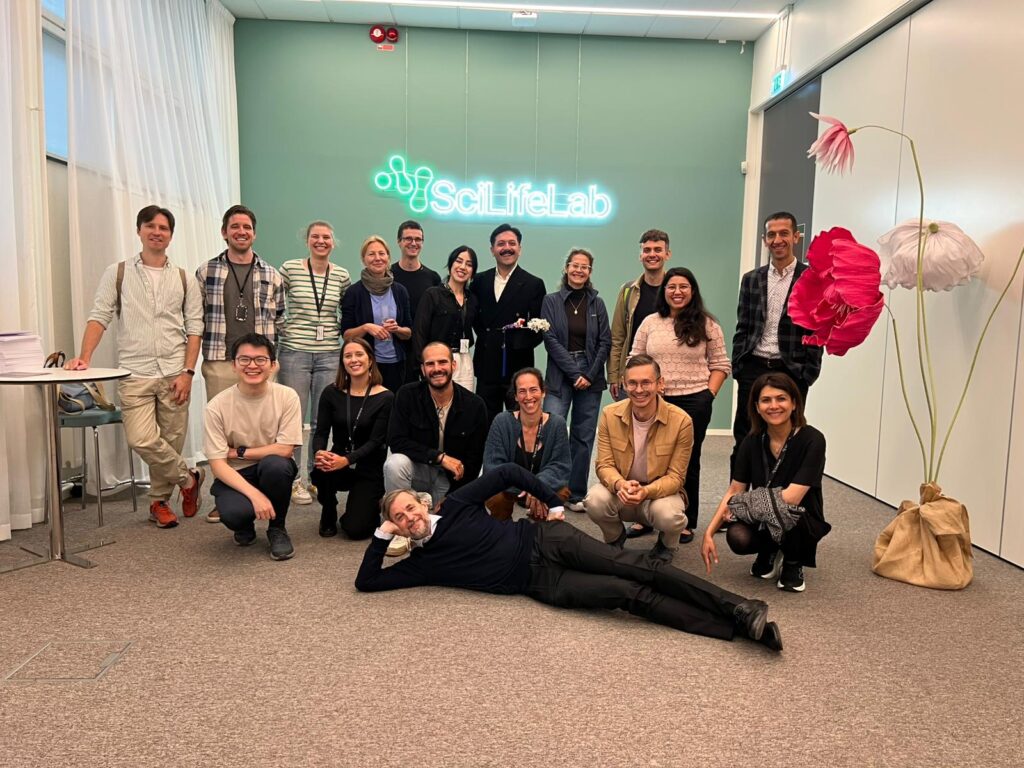
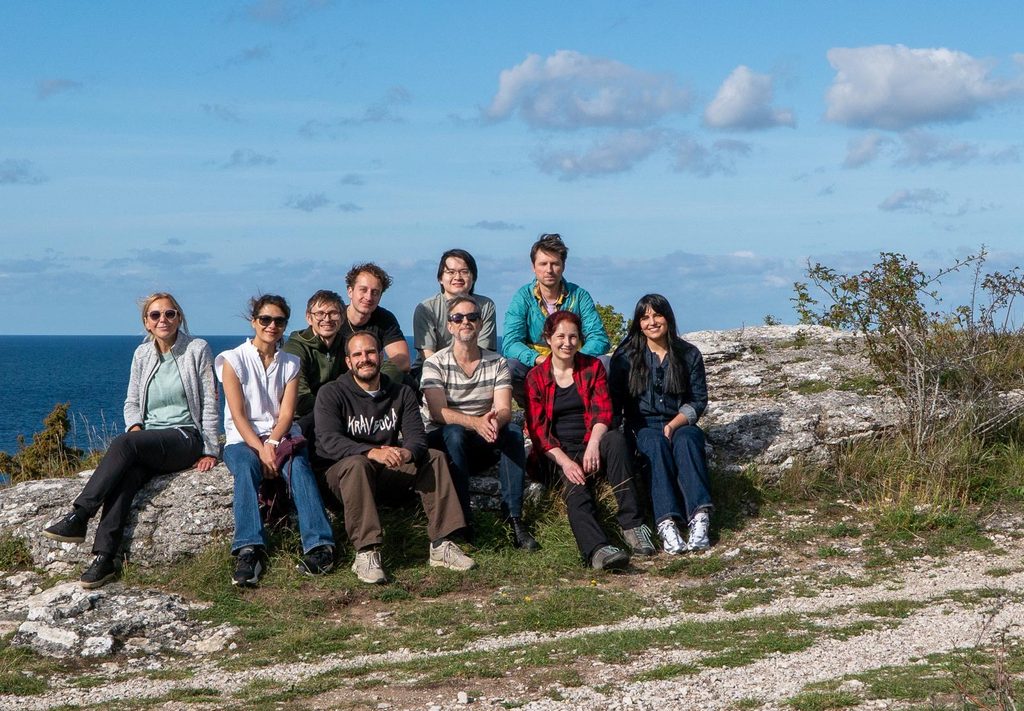
From 10 to 12 September, the Friedländer Group travelled to Visby, Gotland, for our 2026 group retreat. Over three days, we presented our research, shared recent progress and challenges, discussed scientific papers, and brainstormed new ideas and future directions. The open conversations gave us a valuable opportunity to learn more about each other’s work and reflect on both the ups and downs of research.

The retreat was also a chance to spend quality time together outside the lab. It was a memorable combination of science, reflection and relaxed time together as a team.
A visit to the SLU Honey Bee Research Centre

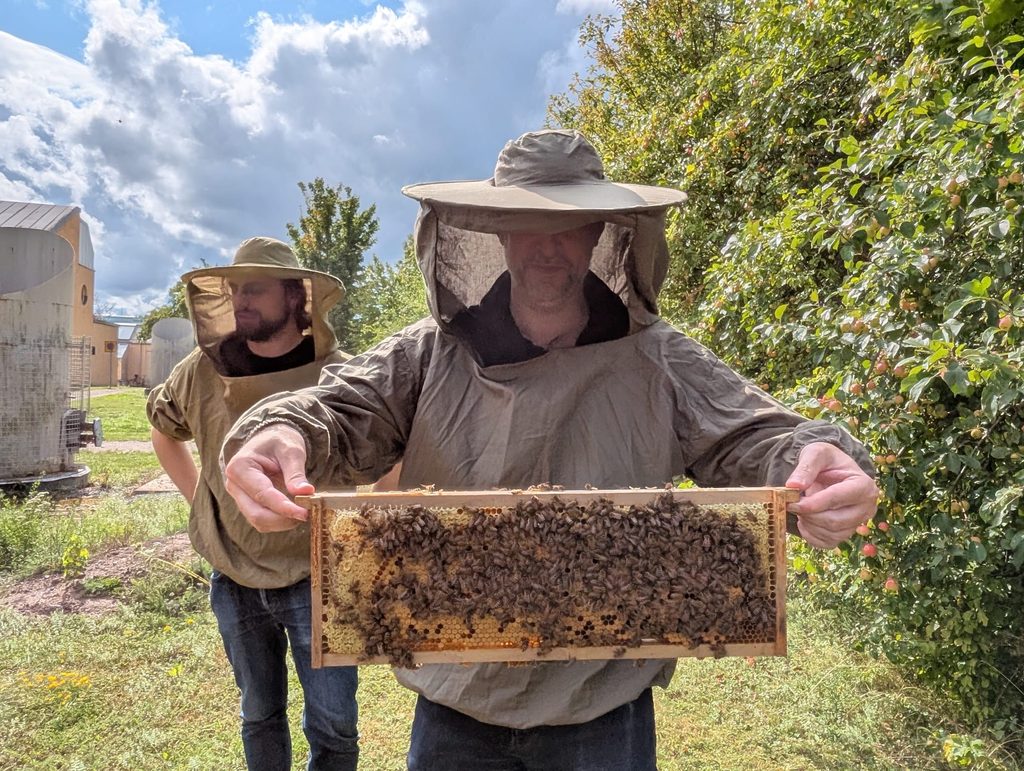
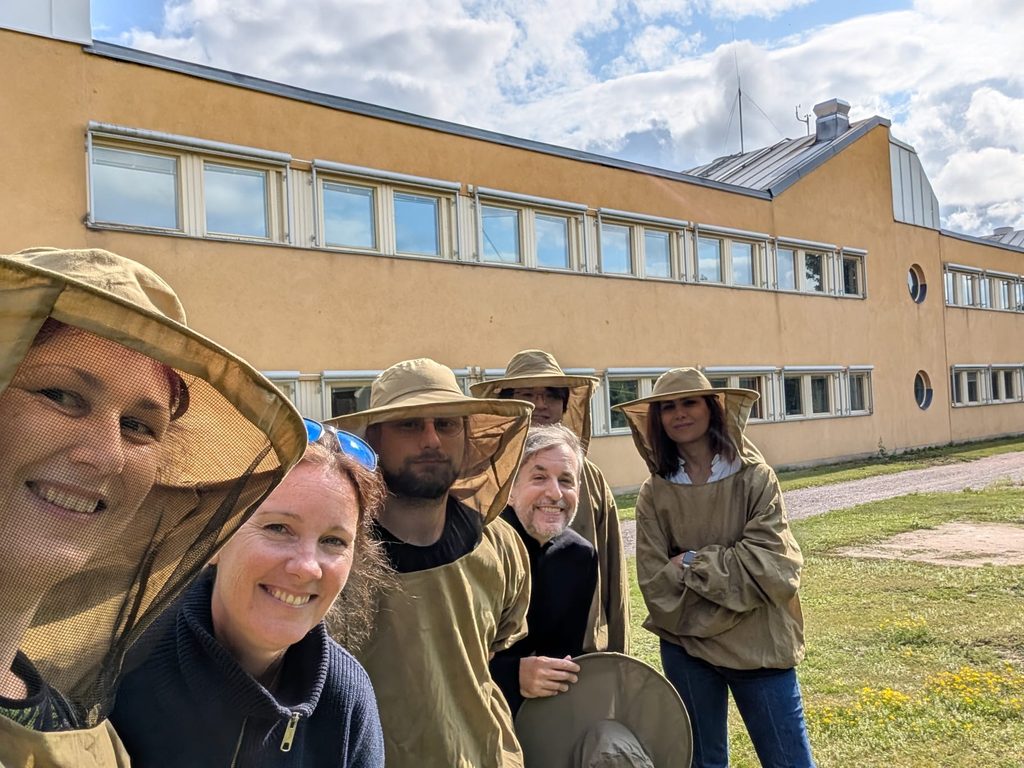
Our group recently visited the SLU Honey Bee Research Centre at SLU’s Uppsala campus, where we were warmly hosted by Barbara Locke Grandér.

Barbara introduced us to the centre’s research on honey bee health, disease ecology and pathology, as well as its work as a reference laboratory for bee health. We also visited the apiary, which houses around 40 honey bee colonies used for research, education and collaboration. There, we had the opportunity to examine the hives, observe the bees up close and even spot a marked queen.

Many thanks to Barbara for the warm welcome and fascinating introduction to their work!

New Publication in Cell

We are proud to share that our research team has published a new study in Cell, presenting the oldest ancient RNA ever sequenced—recovered from woolly mammoth tissues preserved for up to 39,000 years.

Using permafrost-preserved samples, we show that RNA can survive for tens of thousands of years, retaining clear signatures of tissue-specific gene expression. Our most complete data come from the mammoth “Yuka,” whose RNA reveals detailed skeletal muscle expression patterns and even supports the discovery of novel microRNA candidates.

This work opens a new frontier in paleogenomics, demonstrating that ancient RNA can provide biological insights far beyond what DNA alone can reveal.

Reference: Mármól-Sánchez et al., Cell (2026), https://doi.org/10.1016/j.cell.2025.10.025

Our Team in the 3rd “The Argonautes” & Argonaute Syndromes Conference

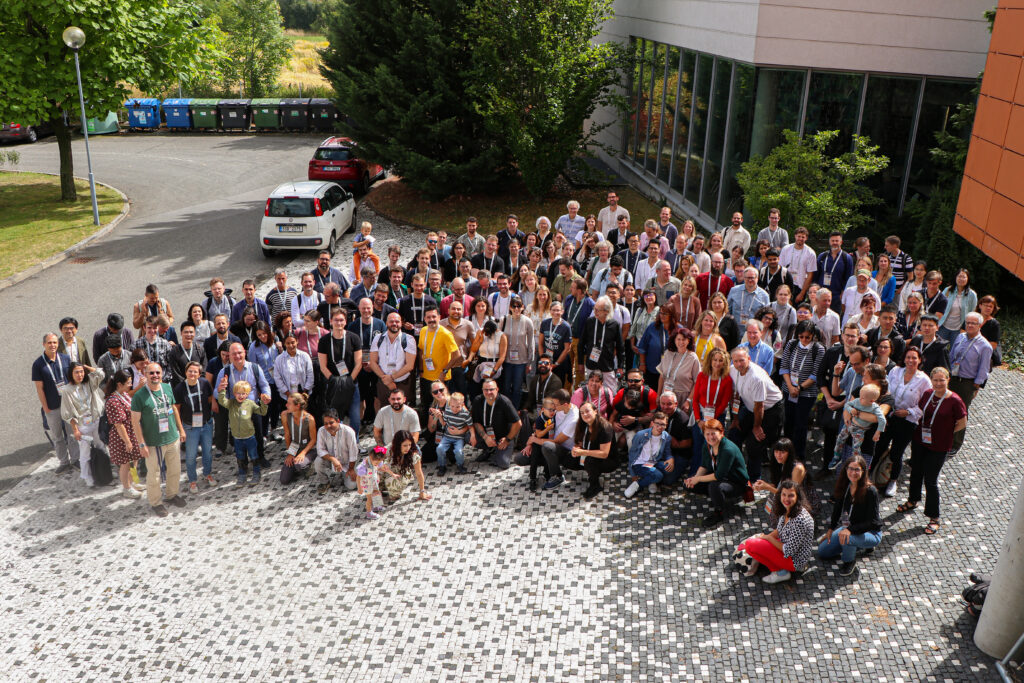
From August 27 to 30, 2025, team recently had the privilege of attending the Argonate Meeting, an important forum for sharing the latest advancements and innovations in the field. The event provided an excellent opportunity to engage with leading experts, exchange knowledge, and explore emerging trends that will shape future research and development. We look forward to applying the insights gained to strengthen our ongoing work and to contribute to continued progress within the community.

130-year-old RNA molecules recovered from the extinct Tasmanian tiger

Mármol-Sánchez, Emilio et al. “Historical RNA expression profiles from the extinct Tasmanian tiger.” Genome research, 10.1101/gr.277663.123. 18 Jul. 2023, doi:10.1101/gr.277663.123

In our groundbreaking latest study, we have uncovered the hidden secrets of ancient RNA molecules within a preserved Tasmanian tiger specimen. This collaboration between SciLifeLab and the Centre for Palaeogenetics (CPG) at Stockholm University offers vital insights into extinct species’ transcriptomes, with implications for species resurrection and pandemic RNA virus research.

Read More …